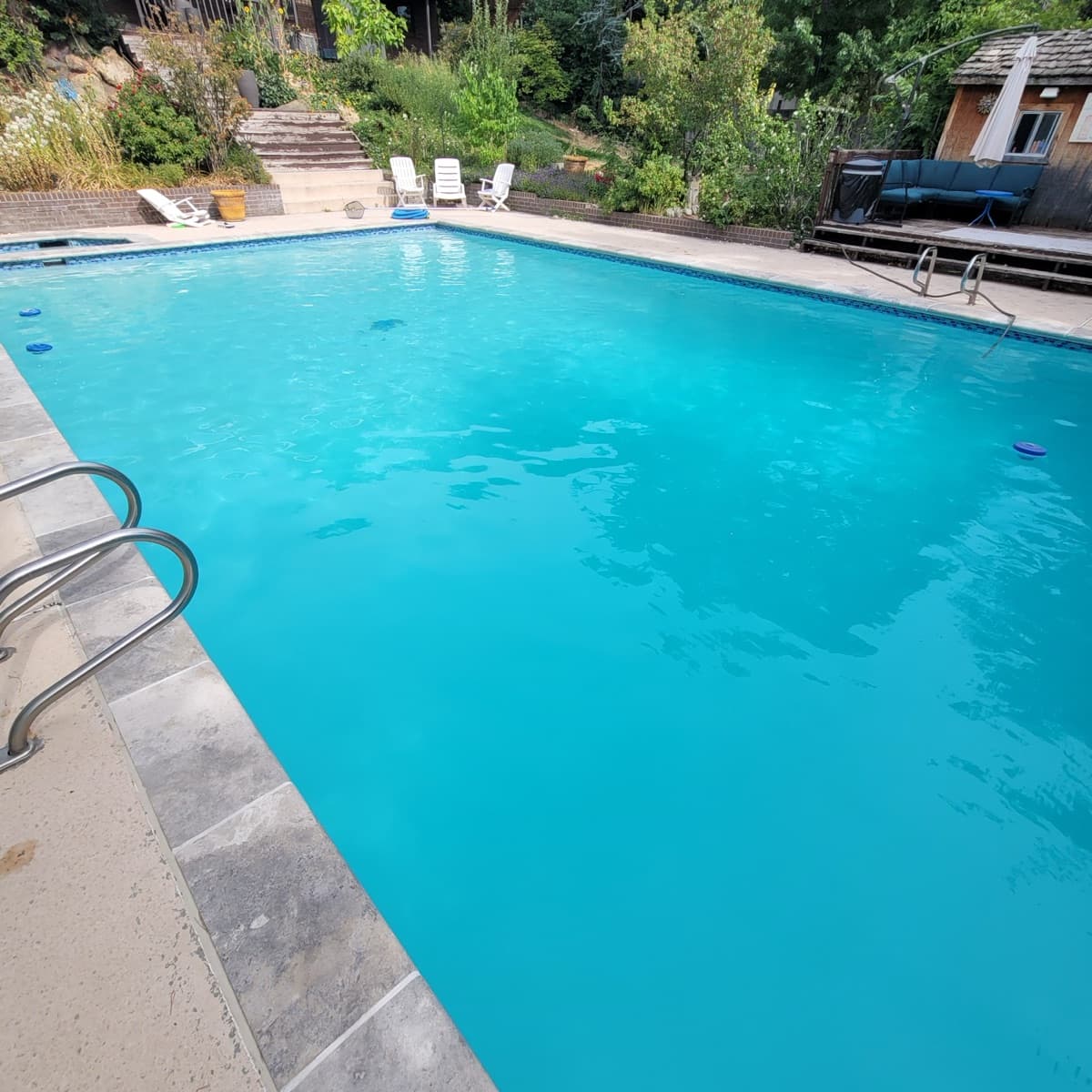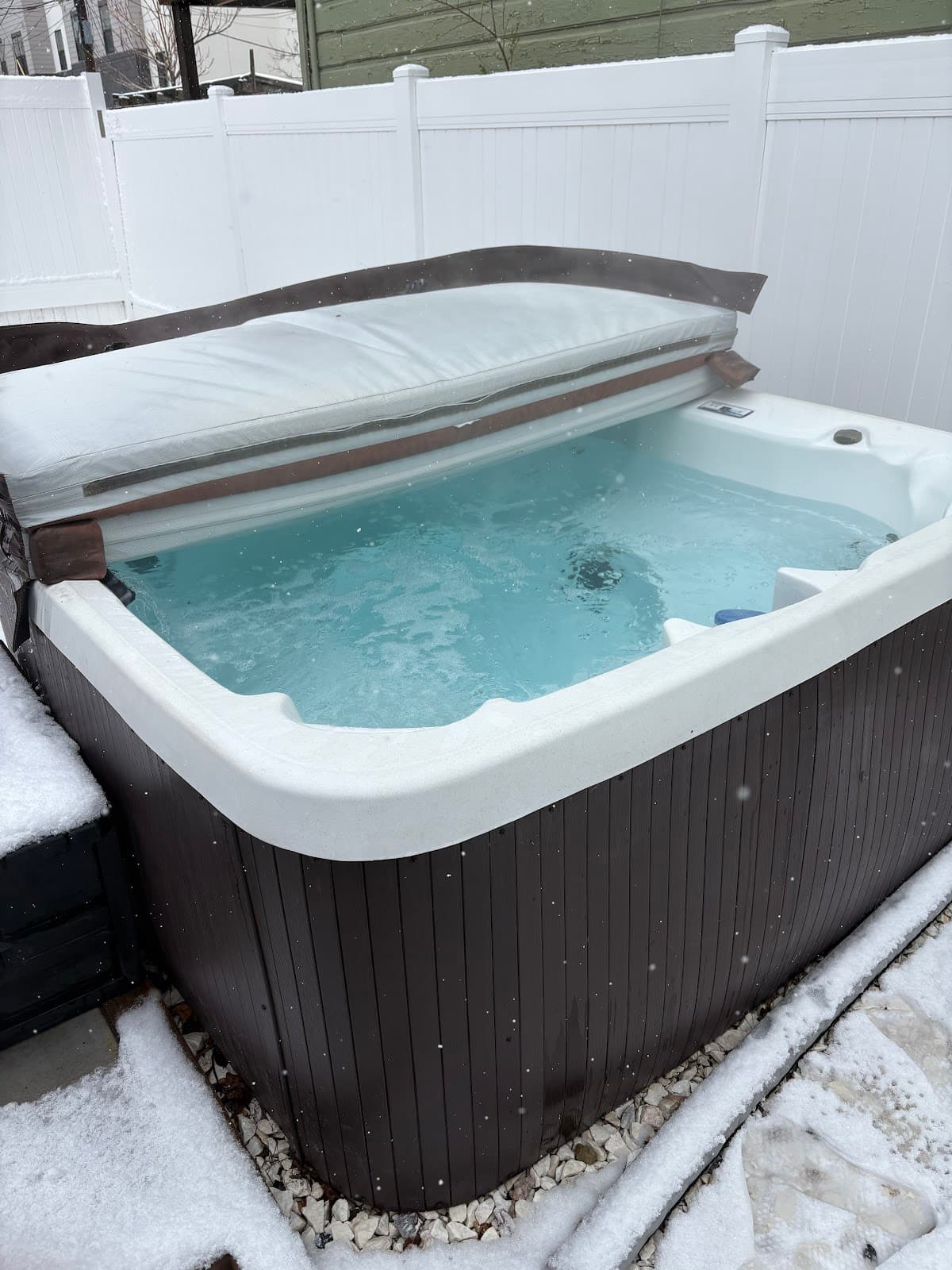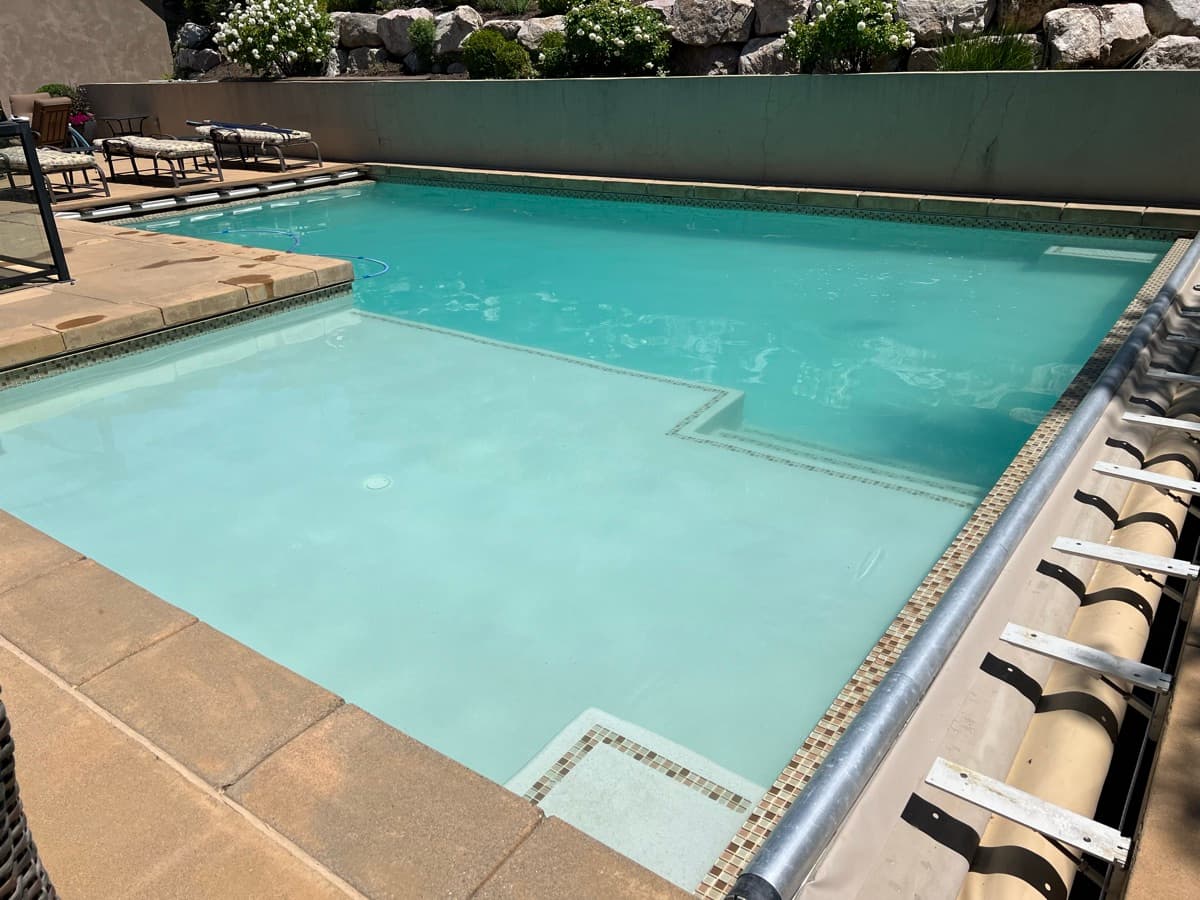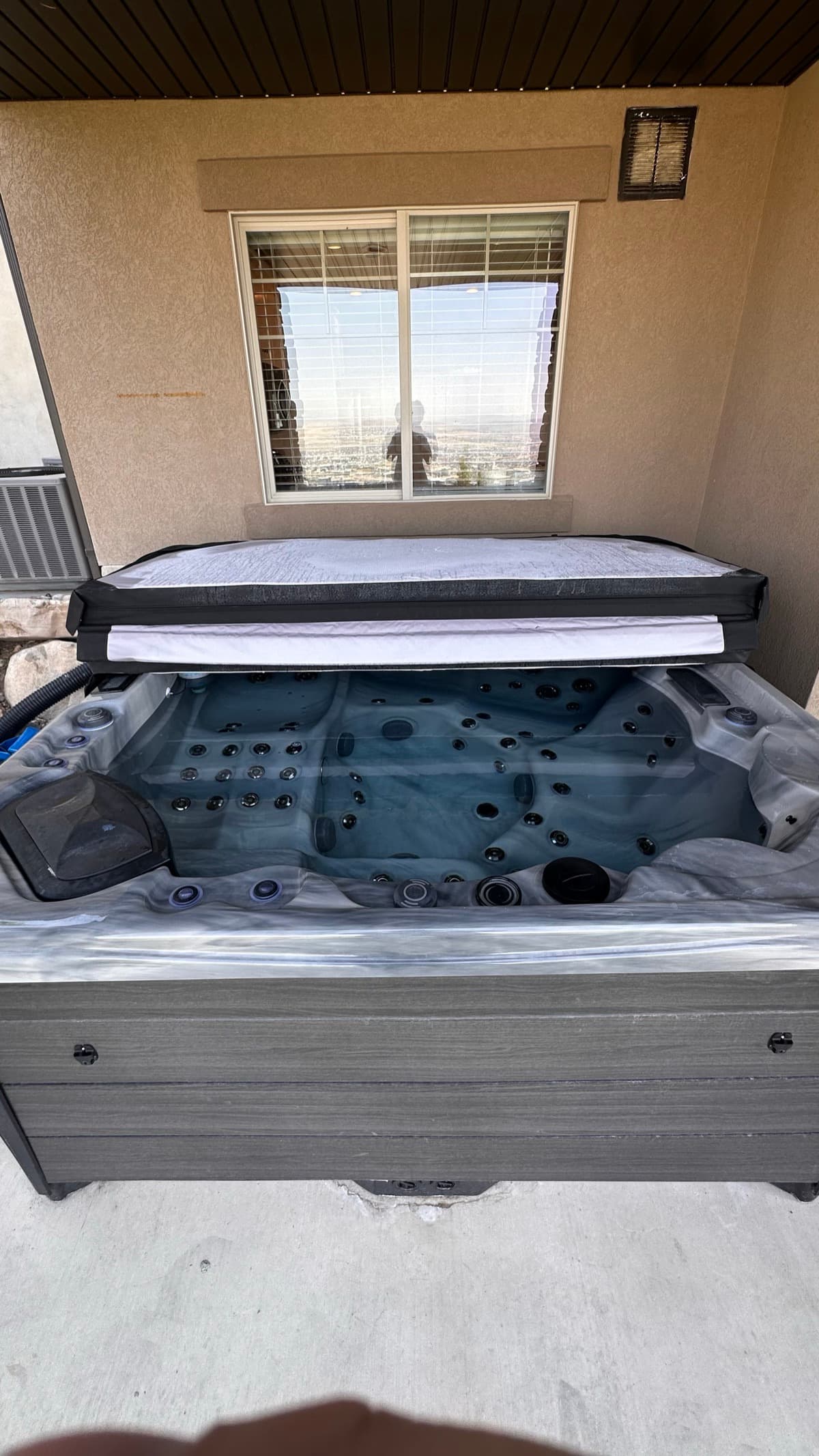
Utah sits on top of ancient limestone and mineral deposits, and that geology shows up in your water. Most of the state has calcium hardness levels between 200 and 400 ppm — well above the ideal range for hot tubs (150-250 ppm). In some areas along the Wasatch Front, levels can push past 500 ppm.
What Hard Water Does to Your Hot Tub
When calcium levels are too high, the excess minerals come out of solution and deposit on every surface they touch. That white, chalky crust on your hot tub shell, jets, and heater element? That's calcium scale. It's not just ugly — it reduces water flow through your jets, insulates your heater (making it work harder and wear out faster), and can clog your filter.
Cloudy water is another common symptom. Even when your sanitizer and pH levels are perfect, high calcium can make the water look hazy or milky. Customers often think they have a chlorine problem when the real issue is mineral content.
Managing Calcium in Your Hot Tub
The most effective approach is a combination of regular draining and careful water chemistry management. Unlike pools, hot tubs have a small volume of water that gets used intensely — body oils, sweat, lotions, and evaporation all concentrate the minerals faster.
- Drain and refill every 3-4 months. This resets your water chemistry and prevents mineral buildup from compounding over time.
- Use a pre-filter when filling. An inline hose filter removes some calcium and metals before they enter the tub. It won't eliminate the problem, but it gives you a better starting point.
- Keep pH between 7.2 and 7.6. When pH drifts above 7.8, calcium becomes much more likely to precipitate out of the water and form scale.
- Use a sequestering agent. These products bind to minerals in the water and keep them in solution rather than depositing on surfaces.
- Clean the shell at every drain. When the tub is empty, wipe down all surfaces with a non-abrasive cleaner. Scale is much easier to remove when it hasn't had months to build up.
The Heater Problem
Hot tub heaters are the most vulnerable component in hard water areas. The heating element gets the worst of it because calcium precipitates faster on hot surfaces. Over time, scale insulates the element so heavily that the heater can't transfer heat efficiently. Your energy bills go up, the tub takes longer to heat, and eventually the element fails.
Regular maintenance can extend heater life significantly. We check for scale buildup at every service visit and recommend descaling treatments when needed — catching it early can save you hundreds on a premature heater replacement.
Which Utah Areas Have the Hardest Water?
Water hardness varies across the state. Generally, areas that pull from well water or groundwater sources tend to be harder. Parts of Davis County (Layton, Kaysville), the south end of Salt Lake County (Draper, Riverton, Herriman), and Utah County (Lehi, American Fork, Saratoga Springs) tend to run especially hard. Summit County water from mountain sources can be surprisingly soft in comparison.
Knowing your local water hardness helps us calibrate your maintenance schedule. We test at every visit and adjust our approach based on what your water actually shows us — not a generic maintenance schedule.
Dealing with scale or cloudy water in your hot tub? We can diagnose the issue and get your spa back to clear, comfortable water. Text or call (385) 228-2374 for a free assessment.
Need Help With Your Pool or Hot Tub?
We offer free quotes for all pool and hot tub services across Davis, Salt Lake, Utah, and Summit Counties.