One of the most common questions we get from new customers is: "How often does my pool actually need to be cleaned?" The answer depends on the time of year, how much you use it, and some Utah-specific factors that most generic pool guides don't cover.
Swimming Season (May through September)
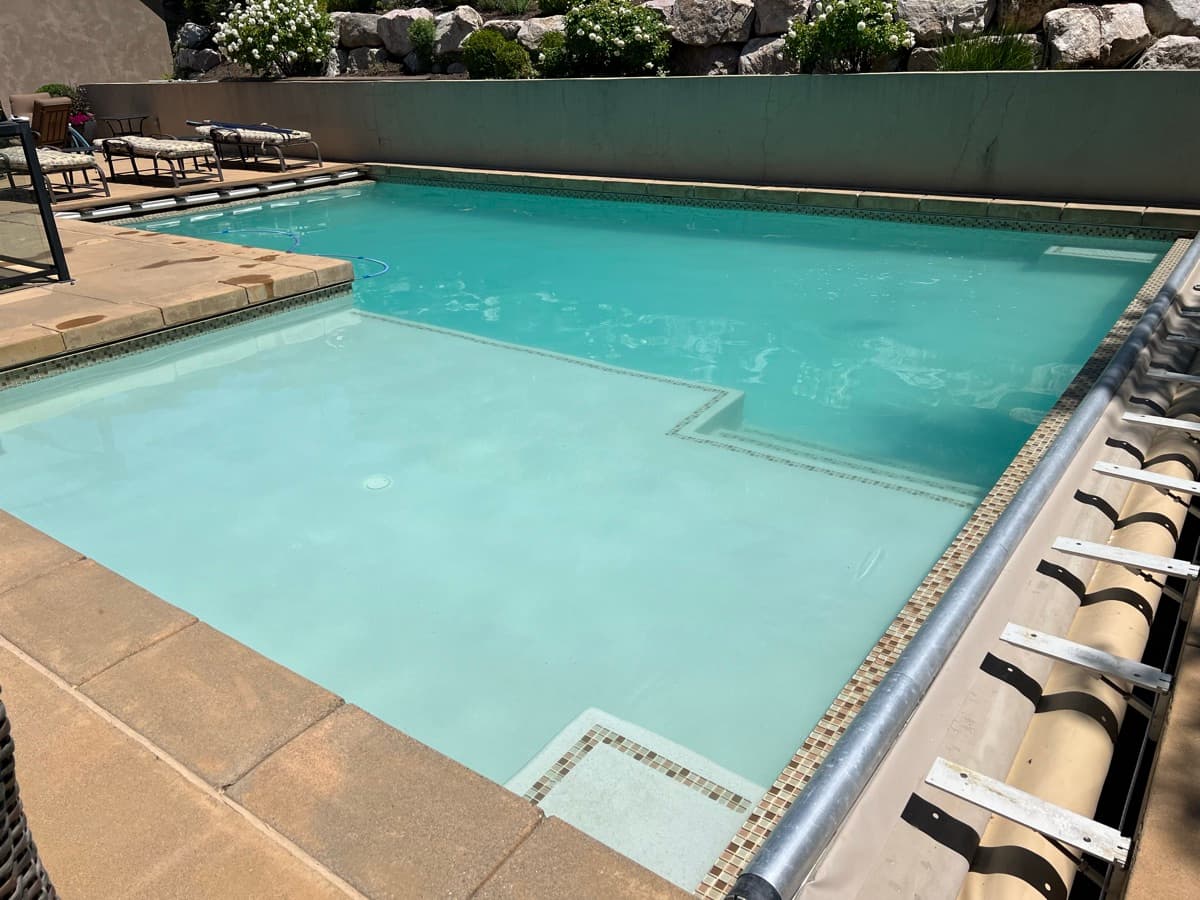
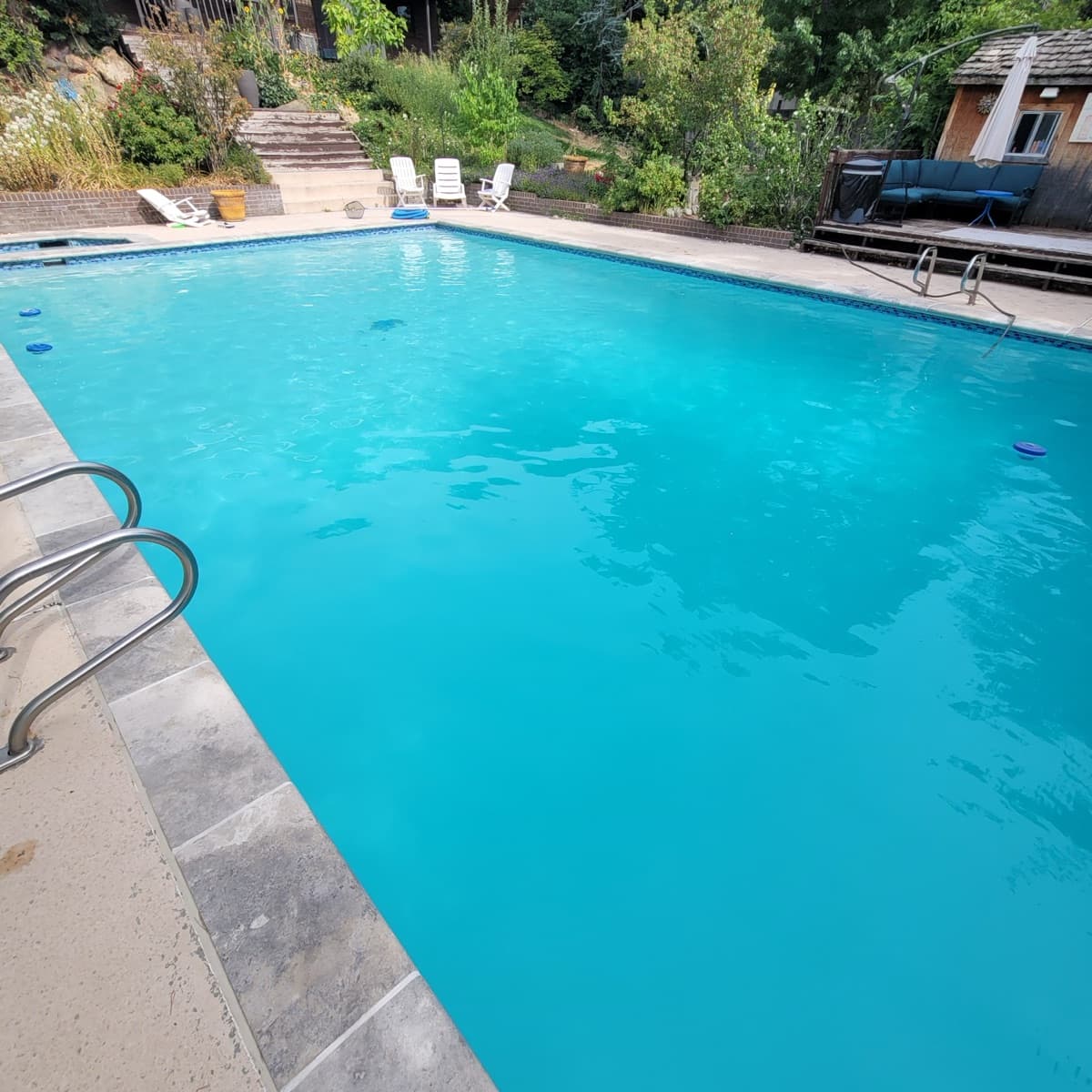
During swimming season, we recommend weekly professional cleaning. Utah summers are hot and dry, which means algae grows fast, water evaporates quickly, and your chemical balance shifts constantly. A pool that looks fine on Monday can start turning green by Thursday if it's not maintained.
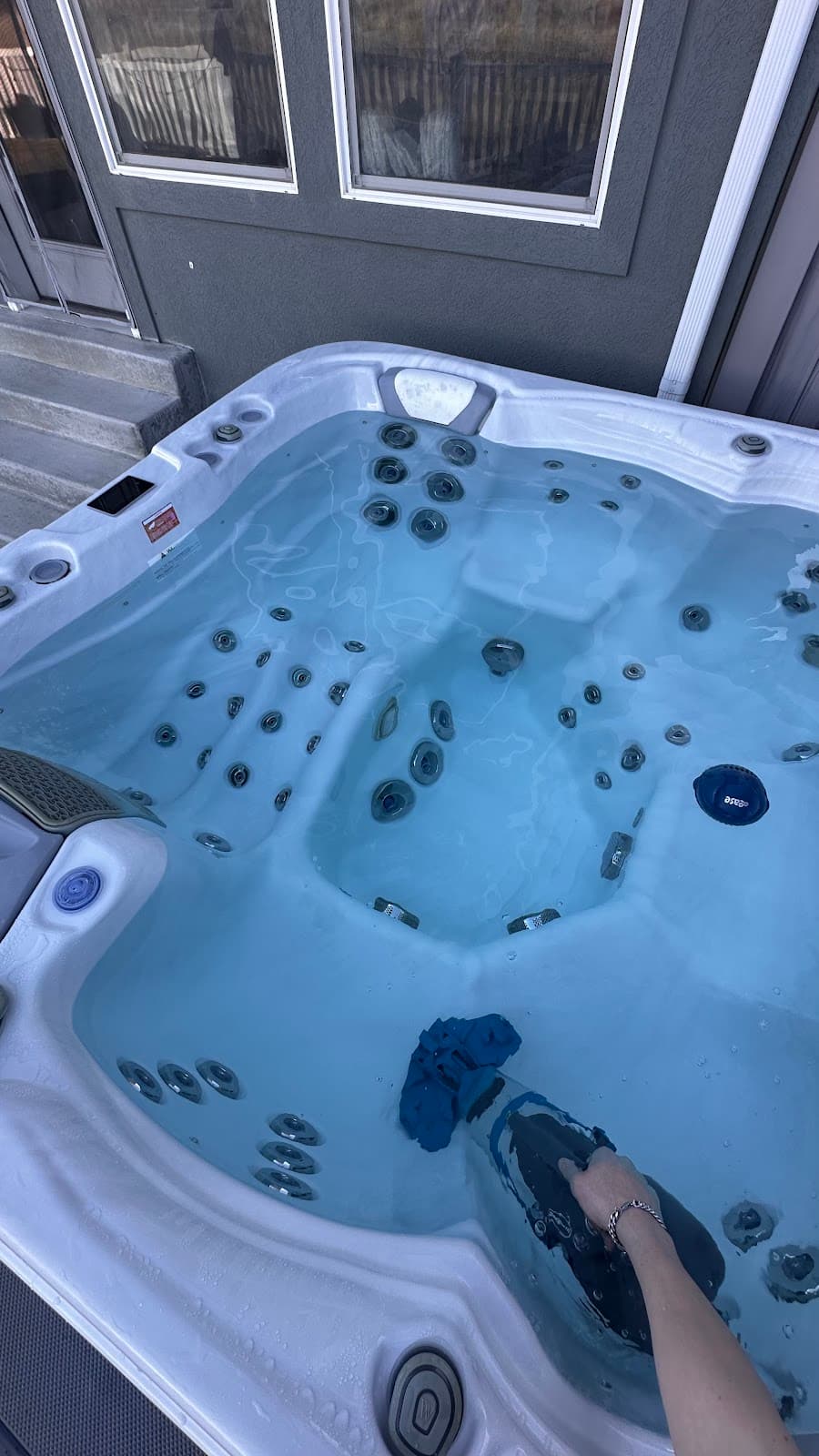
Weekly service includes skimming the surface, vacuuming the floor, brushing the walls and tile line, emptying skimmer and pump baskets, testing water chemistry, and adjusting chemicals. We also check your filter pressure and inspect equipment for any issues.
The Cottonwood Factor
If you live in Utah, you know about cottonwood season — typically mid-June through early July. Those fluffy white seeds get everywhere, and they absolutely love landing in pools. During peak cottonwood season, your skimmer baskets can fill up in a single day.
For customers in areas with heavy cottonwood trees (Bountiful, Holladay, Millcreek, and parts of Salt Lake City are especially bad), we sometimes recommend adding a mid-week check during the worst weeks. It's a small investment that prevents clogs and keeps your pump running efficiently.
Off-Season (October through April)
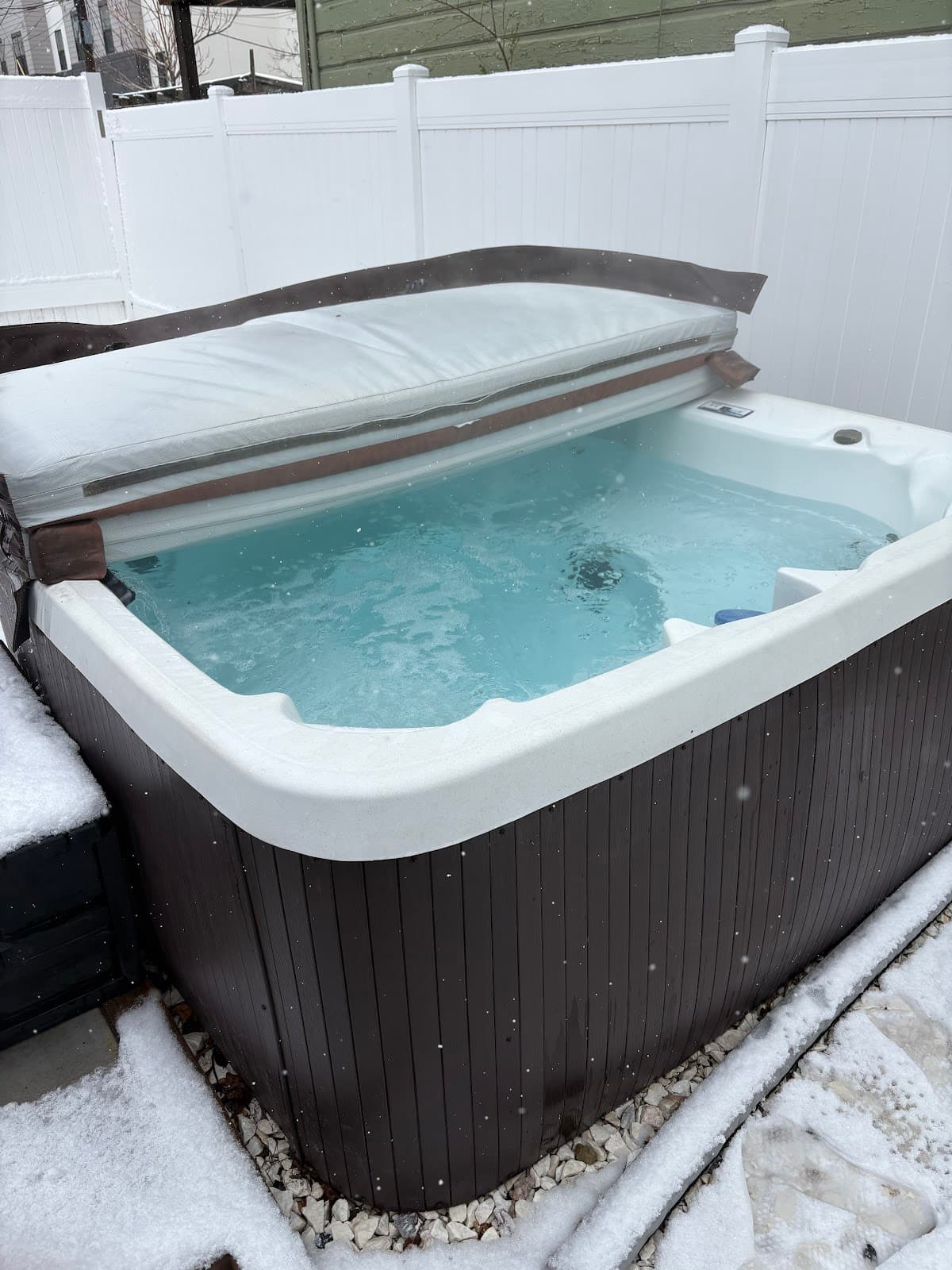
Once swimming season winds down, you have two options: close the pool for winter, or keep it running on a reduced schedule.
If you keep the pool open (which some heated pool owners prefer), bi-weekly service is usually sufficient. The water is cooler, algae grows slower, and there's less debris. We still test chemicals and run equipment checks — the goal is to keep everything stable so spring opening is easy.
If you close the pool, we handle the full winterization: lowering the water level, blowing out the lines, adding winter chemicals, and covering the pool. We recommend closing between late September and mid-October in Utah.
Utah's Hard Water Makes Chemistry Trickier
Utah has some of the hardest water in the country. High calcium hardness means you're constantly fighting scaling — that white, crusty buildup on your tile line and inside your equipment. Left unchecked, it can damage pool surfaces and reduce filter efficiency.
This is one of the biggest reasons we recommend professional service over DIY in Utah. Balancing calcium hardness alongside pH, alkalinity, and sanitizer levels requires testing and adjustments that go beyond just "throw in some chlorine." We test multiple parameters every visit and make precise adjustments.
Signs Your Pool Needs More Frequent Cleaning
- Water looks cloudy or has a greenish tint
- You can see algae on the walls or floor
- The water has a strong chlorine smell (this actually means not enough free chlorine, not too much)
- Skimmer baskets fill up within a day or two
- You're hosting frequent pool parties with lots of swimmers
- Your pool is surrounded by trees that drop leaves or seeds
- You have pets that swim in the pool
The Bottom Line
For most Utah pool owners: weekly during swimming season, bi-weekly (or winterized) in the off-season. If your pool sees heavy use, has lots of tree cover, or you just want peace of mind, more frequent service is always an option.
Want to know exactly what your pool needs? We'll come take a look for free and recommend a service plan based on your specific pool, yard, and usage. Call or text us at (385) 228-2374.
Need Help With Your Pool or Hot Tub?
We offer free quotes for all pool and hot tub services across Davis, Salt Lake, Utah, and Summit Counties.